
Modeling jobs span a far wider range than most people entering the industry expect. From commercial print work to fitness campaigns to brand ambassador roles, the market for professional models is larger — and more accessible — than the fashion runway image suggests.
What Is Commercial Modeling and Why It Dominates the Market
What is commercial modeling? It is modeling work created for advertising, marketing, and product promotion rather than for high fashion or editorial purposes. Brands need faces and bodies to sell everything from software subscriptions to kitchen appliances to insurance, and commercial models fill that demand every day.
Commercial modeling is the backbone of the industry in terms of volume and income opportunity. You do not need a specific height or build — you need a relatable look, professional behavior on set, and the ability to take direction quickly. It is also the most common entry point for models just starting out.
Types of Modeling Jobs Worth Knowing
| Type | What It Involves | Physical Requirements |
|---|---|---|
| Commercial Print | Advertising, catalogs, product campaigns | Flexible — brand dependent |
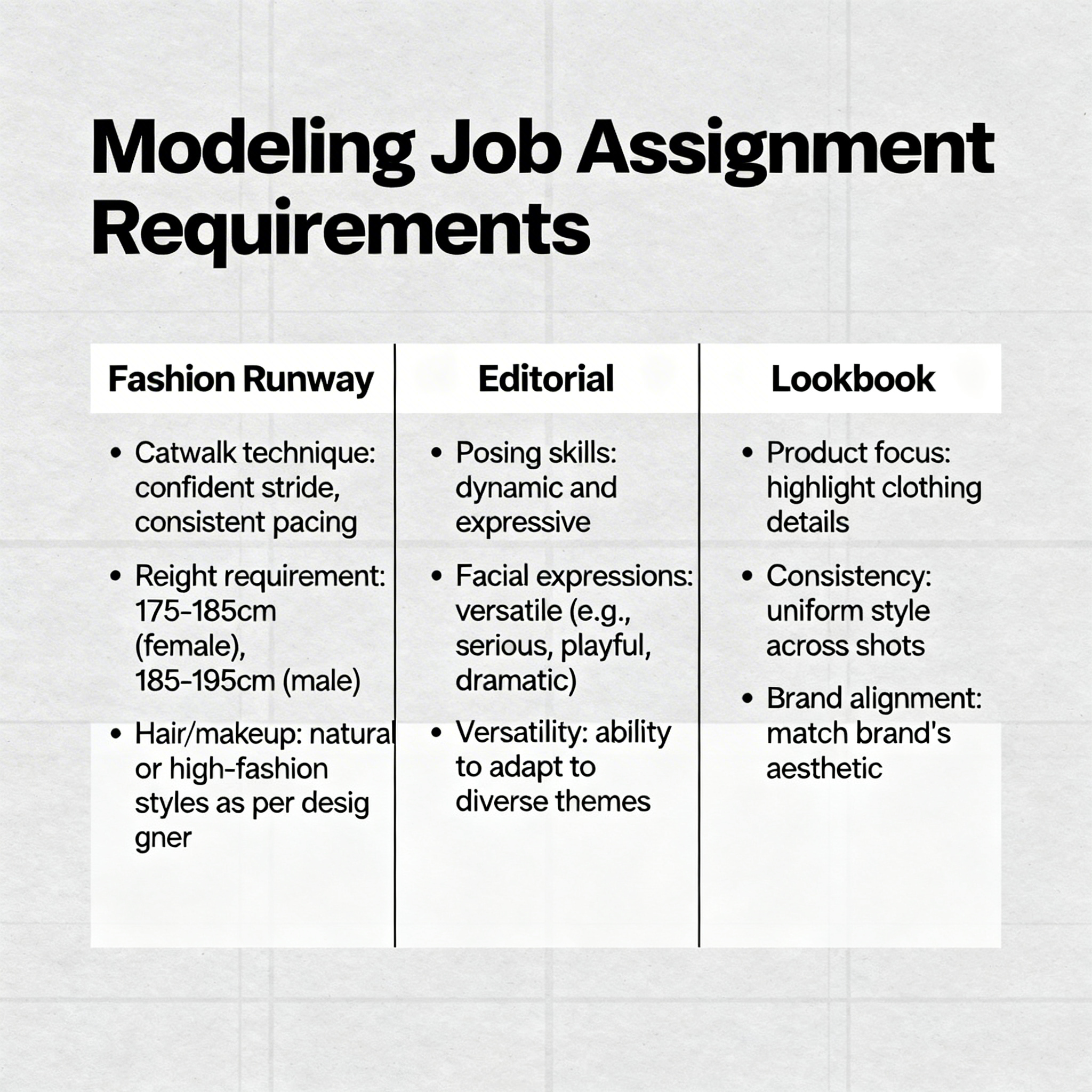
| Fashion / Editorial | Runway, magazine shoots | Typically 5’9″+ for women |
| Fitness Modeling | Athletic wear, wellness brands, sports gear | Athletic, toned physique |
| Parts Modeling | Hands, feet, hair, lips in close-up ads | Specific to the body part |
| Fit Modeling | Clothes fitting for designers / buyers | Precise standard measurements |
| Brand Ambassador | Live events, trade shows, activations | Presentation and communication skills |
Fitness modeling jobs have grown significantly alongside the wellness industry. If you train consistently and can look natural in athletic contexts, this niche offers real income from brands, supplement companies, and sports apparel labels.
How Much Do Models Make
Model salary varies enormously based on market, category, experience level, and whether you work through an agency or independently.
- Entry-level commercial models in smaller markets often earn $50–$150 per hour for print work.
- Mid-level models in major markets like New York or Los Angeles can earn $200–$500 per hour for brand campaigns.
- Fashion models booked for major editorial or runway work earn $1,000–$10,000+ per day at the top end.
- Fitness models with strong social media followings increasingly earn through brand partnerships and sponsored content alongside traditional bookings.
How much do models make on average? The Bureau of Labor Statistics has historically reported median annual earnings for models below $40,000, but this figure mixes part-time and full-time work across all markets. Models who treat it as a full-time profession in competitive markets consistently earn more.
Freelance Modeling vs. Agency Representation
Freelance modeling means finding and booking work yourself, without an agency taking a percentage of your earnings. You keep more of what you earn but carry the full weight of self-promotion, client negotiation, and contract management.
Working with an agency means they handle client relationships and bookings in exchange for a commission — usually 10 to 20 percent. Good agencies provide access to clients you could never reach independently and protect you from unfavorable contract terms.
Most working models use a combination. They may be agency-represented for major commercial and fashion work while also taking freelance jobs directly with smaller clients or through their own social media following.
Modeling Jobs for Beginners: Where to Actually Start
Modeling jobs for beginners rarely involve major campaigns right away. The path usually starts with building a usable portfolio, which means working with photographers who are building their own books — called test shoots — often at low or no cost to you.
From there, you can submit to open calls at local agencies, register on reputable casting platforms, and begin taking smaller paid bookings to build your credits. Local commercial work — retail brands, regional ads, small product companies — is where most careers begin.
The mistake most beginners make is waiting until they have the “right” portfolio before approaching anyone. Agencies and clients book potential as much as they book current polish. Show up with clean, honest photos, professional communication, and a willingness to learn on set — that combination gets people noticed faster than a perfect but impersonal book.
Building a Sustainable Career in Modeling
Longevity in modeling comes from treating it as a business. That means tracking your income and expenses, understanding your contracts before signing them, maintaining consistent professional relationships with photographers, agents, and clients, and protecting your reputation at every booking.
It also means diversifying. Models who rely on a single agency or a single category are exposed to more risk when that market shifts. The most resilient working models combine agency representation, direct client relationships, social media income, and ongoing skill development across different types of modeling work.
The industry rewards those who show up prepared, stay adaptable, and build their reputation booking by booking. That is as true for someone starting their first modeling job for beginners as it is for a model a decade into their career.